Explore the Universe of Fair Trade Tea: Superior Brews That Advance Sustainable Practices
Fair Trade tea demonstrates a harmonious balance of quality and integrity. Each cup furnishes a unique flavor profile while backing responsible agricultural approaches. This methodology not only elevates the tea pleasure but also assists marginalized farmers. Understanding its origins and validation frameworks discloses richer dimensions of consequence. As shoppers become more deliberate about their picks, the reach of Fair Trade tea spreads past taste. What sits beneath the surface of these determinations?
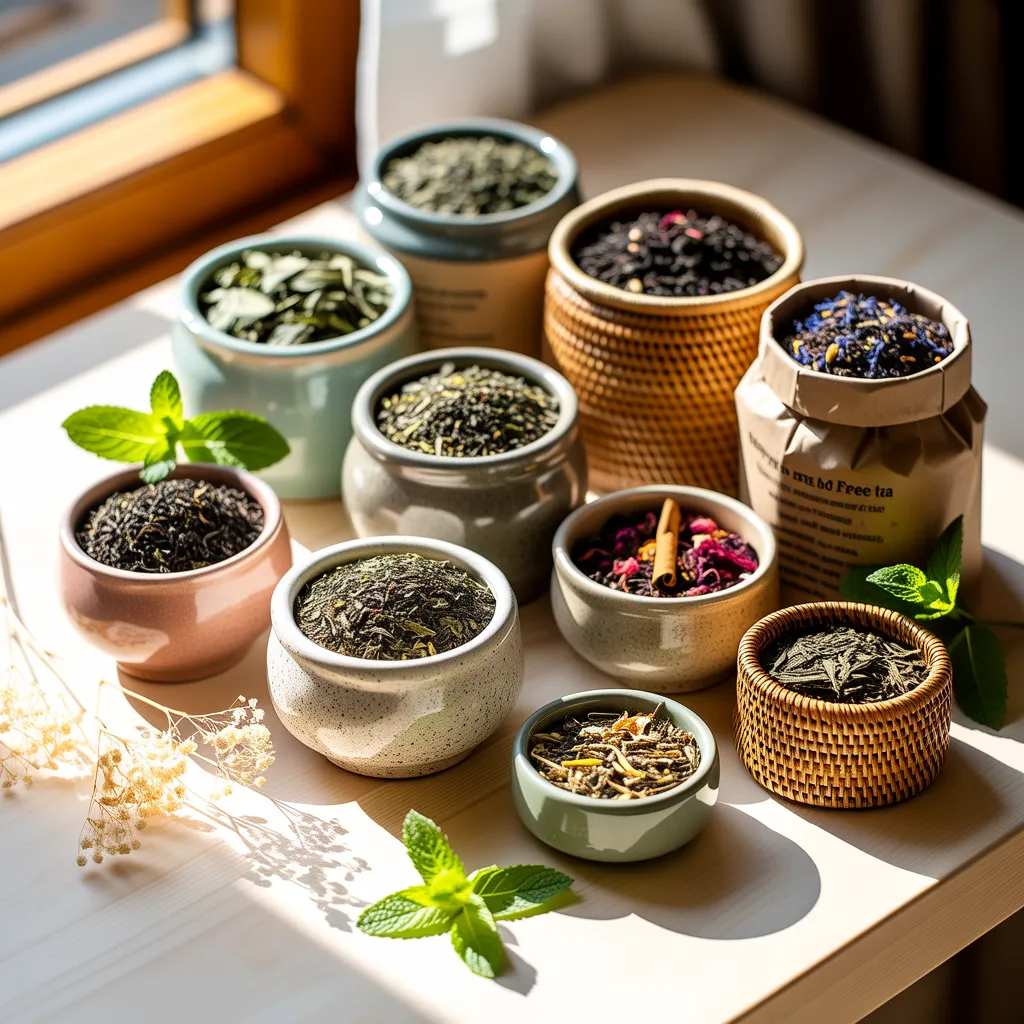
Understand the History of Fair Trade Tea
Fair Trade tea is rooted in the socioeconomic efforts intended to improve the livelihoods of marginalized farmers. Surfacing in the waning years of the 1900s, this initiative sought to correct imbalances in global trade, chiefly in emerging nations where tea is frequently harvested. The endeavor gained traction as consumers became progressively mindful of the difficult realities faced by independent cultivators, involving unfair pricing and exploitation by large corporations.
Through cooperative structures, Fair Trade aimed to empower these farmers, guaranteeing they obtained fair compensation and support for sustainable farming practices. The movement also focused on promoting ecological stewardship, encouraging organic farming and biodiversity. As awareness grew, Fair Trade tea became a symbol of ethical consumption, linking consumers directly with the origins of their beverages. By selecting Fair Trade tea, individuals add to a larger vision of social justice and economic equity, creating a more sustainable future for tea-growing communities.
Learn about ethical trade standards for sustainable approaches
Comprehending Fair Trade certification is crucial to recognizing how sustainable practices are upheld within the tea industry. This certification guarantees that producers receive fair wages and work under safe conditions, which directly contributes to community development. Fair Trade standards encourage environmentally sustainable farming methods, reducing the use of harmful chemicals and encouraging biodiversity.
Certification fosters transparency in the supply chain, allowing customers to trace their tea back to its source. By adhering to these guidelines, farms engage in practices that protect natural resources and sustain local ecosystems. Additionally, Fair Trade groups often provide learning materials and instruction to agricultural producers, equipping them to improve their farming techniques and financial security.
Ultimately, Fair Trade accreditation not only boosts tea's quality but also aligns purchasing choices to principled and responsible ideals, making it a essential element of the tea sector's commitment to community responsibility and ecological stewardship.
Investigate Premium Varieties of Fair Trade Tea
While many tea lovers enjoy the rich flavors and aromas of different teas, investigating the top types of Fair Trade tea reveals a greater dedication to responsible practices and environmental care. Some popular options feature Fair Trade Assam, known for its bold, malty taste, and Fair Trade Darjeeling, often called as the "Champagne of teas" for its delicate floral notes. Another significant variety is Fair Trade Earl Grey, infused with bergamot, offering a distinctive citrusy flavor.
Moreover, Fair Trade Green Tea, celebrated for its invigorating qualities and health benefits, is increasingly favored among health-conscious consumers. Herbal blends, such as Fair Trade Chamomile and Peppermint, also distinguish themselves, supplying soothing and calming effects. Each of these varieties not only delivers exceptional flavor but also assists farmers and communities working for better livelihoods, making them a responsible choice for tea lovers seeking quality and ethical assurance.
Brewing Fair Trade Tea: Advice for an Outstanding Cup
To make the best cup of Fair Trade tea, attention to detail is essential, since the proper steps can bring out the tea's distinctive notes and aromas. Initially, water quality is key; using spring water delivers a crisp taste that lets the professional advice tea's qualities come through. The water temperature is also critical; various tea kinds require precise temperatures; black tea requires boiling water and green and herbal teas need cooler temperatures.
Subsequently, the steeping time must be carefully followed. Oversteeping can lead to bitterness, while understeeping may not draw out the complete flavor spectrum. A general guideline is 3-5 minutes for black tea and 2-3 minutes for green tea.
Finally, employing the proper tea-to-water ratio enhances the taste; one teaspoon of loose tea per cup is a solid foundation. By following these suggestions, tea lovers can completely enjoy the abundant selection of Fair Trade tea.
Green Benefits of Fair Trade Tea
Brewing Fair Trade tea not only improves the tea encounter but also promotes eco-friendly farming methods that benefit the ecosystem. Fair Trade certification motivates farmers to use natural cultivation techniques, which reduce the reliance on damaging chemicals and synthetic inputs. This method promotes biodiversity, helping to preserve local habitats and protect animal sanctuaries.
Moreover, Fair Trade strategies often underscore soil health and water management, ensuring that tea cultivation does not exhaust essential resources. By helping small-scale farmers, Fair Trade also advocates for agroforestry, which blends tea cultivation with other crops and trees, further advancing environmental resilience.
Furthermore, Fair Trade tea often involves environmentally friendly packaging and transportation methods, reducing the greenhouse gas emissions connected to its delivery. Ultimately, selecting Fair Trade tea represents a conscious effort to foster a more sustainable farming approach that honors both the Earth and its people.

Your Tea Selection Helps Empower Global Communities
Embracing Fair Trade tea aids communities globally by granting farmers with equitable wages and enhanced working conditions. This obligation confirms that tea producers can copyright their ways of living while investing in their families and local economies. By obtaining Fair Trade tea, patrons facilitate the establishment of necessary local services, including instruction and medical care.
Fair Trade certification encourages ethical practices, demanding businesses to adhere to standards that emphasize employee protections and ecological responsibility. As a consequence, farmers are incentivized to cultivate premium tea, which not only enhances their earnings but also fosters satisfaction in their craft.
Additionally, the straight trade partnerships formed through Fair Trade eradicate predatory middlemen, permitting farmers to interact with buyers worldwide. This clarity nurtures trust and inspires a global appreciation for the cultural significance of tea. Ultimately, each cup of Fair Trade tea functions as a reminder of the constructive influence individuals can have on global communities through deliberate shopping.
Often Asked Questions
What Ways Can Help Me Spot Fair Trade Tea Products When Shopping?
To spot fair trade tea products in stores, one should check for official certifications, such as Fair Trade Certified or Rainforest Alliance. Additionally, studying brands dedicated to sustainable practices can assist in choosing wisely.
Are There Any Health Benefits Associated With Fair Trade Tea?
Fair trade tea may supply various wellness benefits, containing antioxidants that support heart health, improved digestive health, and enhanced cognitive focus. In addition, sustainable sourcing practices facilitate sustainable farming, helping advance a cleaner environment and community wellness.
How Can I Locate Ethically Sourced Tea in Digital Shopping Platforms?
Yes, justly traded tea is abundantly accessible in web-based stores. Several businesses offer a variety of brands and blends, ensuring consumers can straightforwardly obtain morally sound products that copyright both sustainability and just compensation practices.
How Does Fair Trade Tea Shape Community Economies?
Fair trade tea positively impacts local economies by offering farmers equitable compensation, supporting community growth, and promoting environmentally responsible agriculture. This assistance improves living standards, promotes economic stability, and enables communities to allocate resources toward education and healthcare.
What Techniques Should I Employ to Preserve Fair Trade Tea for Peak Freshness?
To boost quality, fair trade tea should be kept in a airtight container, shielded from humidity, light, and strong odors. Keeping it in a dark, cool location helps protect its taste and scent over time.